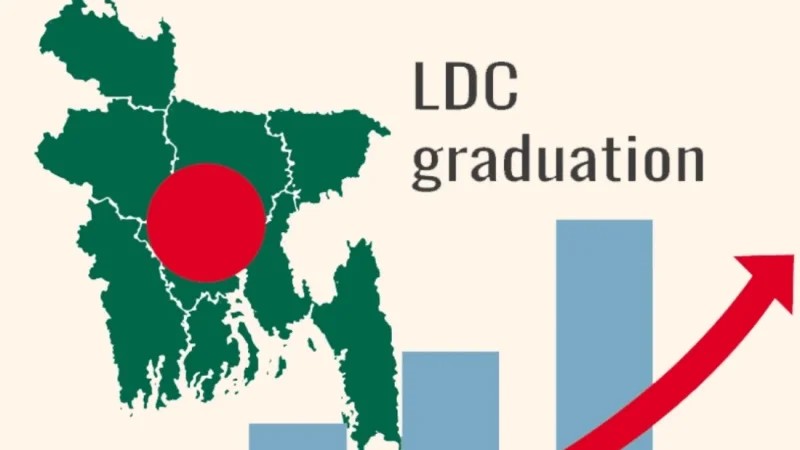
The United Nations General Assembly (UNGA) has officially granted Bangladesh a three-year preparatory extension, shifting its Least Developed Country (LDC) graduation deadline from November 24, 2026, to November 24, 2029. While this reprieve shields the economy from immediate trade shocks, macroeconomic analysts—including former World Bank Dhaka office lead economist Dr Zahid Hussain—caution that this extension must serve as an active window for structural transformation rather than a deferral of tough decisions.
In the immediate term, the deferment is a positive development for macroeconomic stability. Bangladesh currently benefits from duty-free, quota-free (DFQF) market access for roughly 73 percent of its total exports across 38 major trading partners and international blocs. Without this extension, graduation would have exposed domestic merchandise exporters to an average tariff burden of 12.50% overnight. Given that the economy is navigating lingering post-shock vulnerabilities, foreign exchange pressures, and a domestic political transition, the extra three years prevent a jarring contraction in export earnings when external buffers are thin.
In the long run, viewing this extension purely as a comfort zone is dangerous. Bangladesh has effectively been on a graduation pathway since first meeting all three UN criteria (GNI per capita, Human Assets Index, and Economic Vulnerability Index) in 2018. Having already secured a two-year Covid-19-related extension, the country has had nearly eight years to execute structural reforms.
As Dr Zahid Hussain notes, extending the timeline risks lowering the sense of urgency, fostering complacency, and allowing structural reform inertia to persist. If the breathing room is treated merely as an excuse to kick economic restructuring down the road, the economy will face an even harsher cliff when November 2029 arrives.
To maximize this extended window, strategic action plans have been outlined for stakeholders. The government is urged to convert the existing Smooth Transition Strategy into a binding implementation plan with strict timelines and transparent progress metrics submitted annually to the UNCDP. Meanwhile, the private sector must invest proactively in green factory infrastructure, carbon footprint reduction, and workplace safety, while the financial sector focuses on lower logistics costs and resolving systemic non-performing loan vulnerabilities.
Why it matters
The extension shields Bangladesh from immediate trade shocks but requires urgent structural reforms to prevent severe economic challenges when the new deadline arrives.