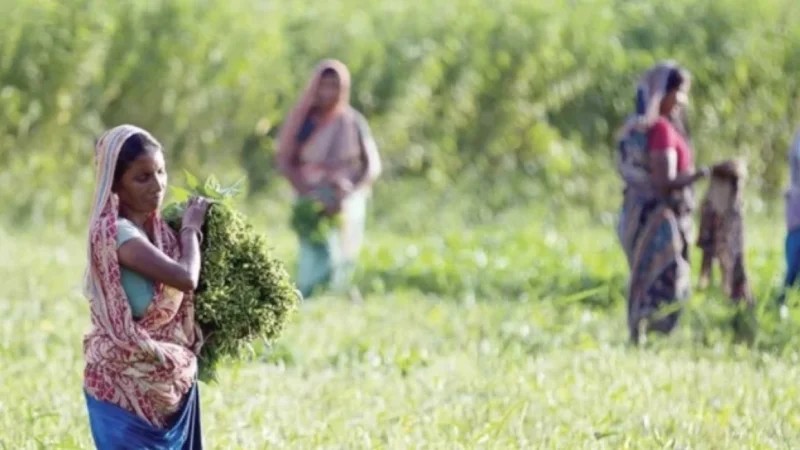
The International Day of Rural Women, observed today, is an opportunity to recognize the contributions of women to rural communities -- especially in Bangladesh, where recognition remains far removed from their lived reality.
Despite their contributions to agriculture, household economies, and community life, rural women continue to be marginalized, with limited access to resources, opportunities, and decision-making.
Women play a significant role in Bangladesh’s agricultural sector -- yet female farmers often remain invisible in a system that frequently acknowledges men as the primary agricultural workers. Their labour is undervalued, and many lack ownership of the land they cultivate.
Without land titles, access to institutional credit, quality seeds, modern equipment, and agricultural training, they are left at a disadvantage despite their essential contributions to food security.
This inequality extends beyond farming: Rural women often face barriers to education, healthcare, formal employment, and financial services.
For women in climate-vulnerable areas, floods, cyclones, and river erosion add another layer of insecurity, threatening livelihoods and increasing the burden of keeping families afloat.
Addressing these challenges requires more than celebrating women once a year. Female farmers must be formally recognized in agricultural policies and included in training programs, subsidies, and credit schemes.
Ensuring women's access to land ownership and inheritance rights is equally important. Local government institutions must also create opportunities for rural women to participate meaningfully in decisions that affect their lives.
Furthermore, investments in rural education, healthcare, childcare, and safe employment can help women move beyond economic dependence. Support for women-led cooperatives and small businesses would also help create sustainable livelihoods.
Bangladesh cannot achieve inclusive development while a substantial part of its rural workforce remains overlooked. Rural women are active contributors to our economic development, and their labour must be valued, their rights protected, and their voices heard.
The true measure of this day will be whether recognition translates into lasting changes in their everyday lives.
Why it matters
Rural women drive food security and agricultural productivity in Bangladesh, making their economic empowerment and land rights vital for inclusive national development.