Canada has announced that it will maintain preferential market access for Bangladeshi products through 2032, aligning with Bangladesh’s imminent graduation from the United Nations’ least‑developed country (LDC) category.
The assurance was delivered during the sixth Bangladesh‑Canada bilateral consultations, which concluded in Dhaka today, a foreign‑ministry press release said.
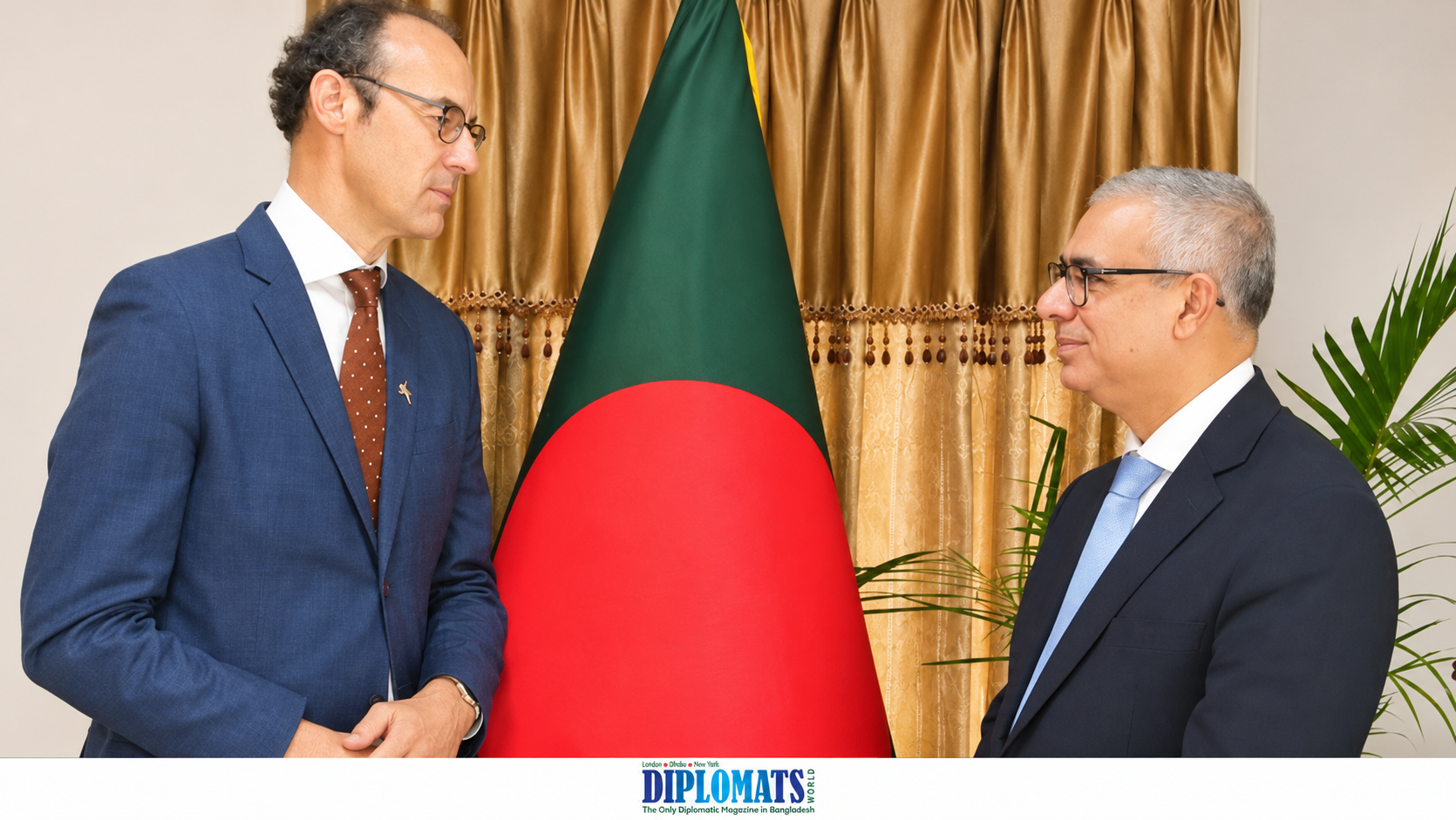
Bangladesh and Canada reaffirmed their commitment to deepen a relationship that has lasted more than five decades during bilateral consultations co‑chaired by Bangladesh Foreign Secretary Salahuddin Noman Chowdhury and Weldon Epp, Assistant Deputy Minister (Indo‑Pacific) of Global Affairs Canada.
The two parties welcomed the rapid expansion of bilateral trade, which increased by almost 25 percent to exceed CAD 4 billion in 2025. They also examined opportunities to broaden trade and investment, focusing particularly on agriculture, energy, security and defence, and discussed cooperation in technical and vocational education and training (TVET).
The officials emphasized that structural reforms are essential for Bangladesh to achieve a smooth and sustainable graduation from the least‑developed‑country (LDC) status. They also welcomed Canada’s pledge to maintain preferential market access for Bangladeshi products through 2032.
Both sides also emphasised the importance of strengthening people-to-people ties and business-to-business engagement.
The talks underscored the long‑standing development partnership between Canada and Bangladesh. According to the press release, Canada has contributed over CAD 6.3 billion in development assistance to Bangladesh since 1972.
Canada also cited a recent pledge of CAD 45 million in assistance announced by Secretary of State for International Development Randeep Sarai during his October 2026 visit to Bangladesh.
The funding is aimed at fostering mutually beneficial economic partnerships in sectors identified as priorities by Bangladesh, including economic governance, institutional reforms, private‑sector development, trade competitiveness and agricultural innovation.
The talks also addressed migration, security cooperation, climate‑resilience measures and a range of regional and global matters of mutual interest.
Both parties acknowledged Bangladesh’s role in sheltering more than 1.2 million forcibly displaced Rohingya. Canada has contributed over CAD 700 million to the crisis response since 2017.
They reaffirmed the necessity of continued international assistance for the Rohingya and the host communities in Bangladesh, and restated their pledge to collaborate with global partners to establish conditions that enable a voluntary, safe, dignified and sustainable repatriation of the Rohingya to Myanmar.
Why it matters
Maintaining preferential market access supports Bangladesh’s economic growth as it prepares to graduate from LDC status.