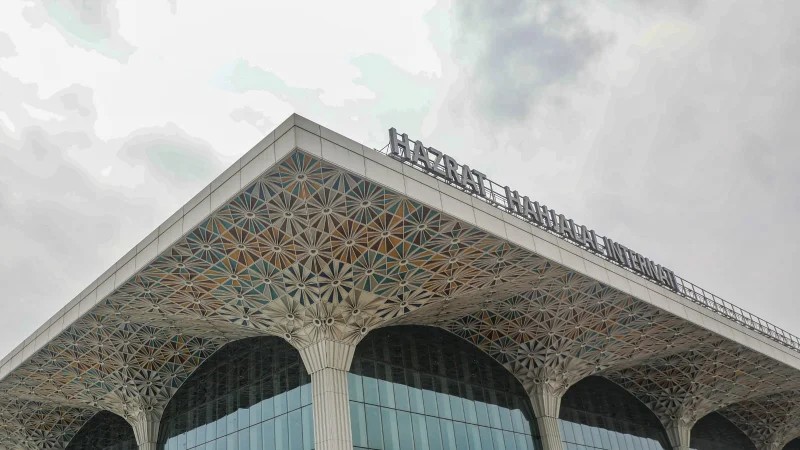
The launching of e-immigration gates at the arrival counters of Hazrat Shahjalal International Airport is a positive step towards digitizing airport services. It goes without saying that the ability for returning citizens to clear border control in under 20 seconds is a long-overdue convenience.
However, celebrating arrival-side automation while departure e-gates sit completely idle exposes a chronic issue in our public sector management: Acquiring expensive, modern hardware without building the underlying digital ecosystem, software integration, or operational capacity required to make it functional.
There is no use for digital services if core operations remain stalled. This is nothing if not a waste of public resources. When digital infrastructure fails to eliminate manual bottlenecks, it becomes a cosmetic facade rather than a genuine upgrade.
This disconnect, much like most of our governance woes, stems from administrative inertia and fragmented planning. Procuring high-tech equipment without ensuring basic software interoperability and staff training is a systemic failure that has plagued most of our public projects for decades.
Passengers traveling through our national airport, much like all citizens receiving public services, deserve to have a smooth and dignified experience. What we don’t need more of are bureaucratic excuses for why multi-million-taka projects don’t deliver what they were meant to.
Modernization for any nation cannot be measured by hardware installations that sit gathering dust. When it comes to having a better international airport, the government must demand accountability, eliminate manual redundancies, and deliver a fully functional, seamless system fit for a modern nation.
Why it matters
Ensuring that airport digital infrastructure functions effectively prevents the waste of public resources and eliminates operational bottlenecks for travelers.