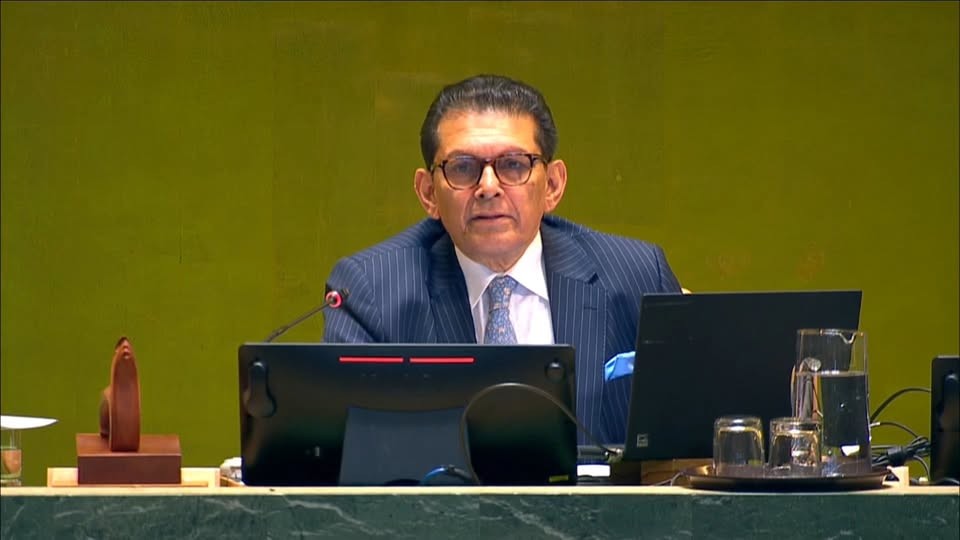
Today, the United Nations General Assembly adopted a resolution granting Bangladesh and Nepal three additional years to prepare for graduation from the least‑developed‑country (LDC) category. The decision was taken during the plenary session on 30 October 2026 and reflects concerns over economic uncertainties, external shocks and persistent vulnerabilities affecting both nations.
The resolution explicitly acknowledges that rapid graduation could expose economies to trade and investment challenges, and therefore provides a longer adjustment period. By extending the timeline, the UN aims to ensure that the countries can consolidate gains in poverty reduction, infrastructure development and social protection before losing LDC‑specific benefits.
Graduation from LDC status typically entails the loss of preferential market access, concessional financing and technical assistance programmes. The three‑year extension gives Bangladesh a crucial window to strengthen fiscal resilience, diversify exports and address climate‑related risks that have intensified in recent years.
For Nepal, the additional period similarly offers time to implement reforms in agriculture, tourism and renewable energy sectors, which are central to its development strategy. Both governments are expected to submit updated national programmes outlining how they will meet the graduation criteria within the new timeframe.
The UN’s decision underscores the importance of a measured approach to development transitions, especially for economies still grappling with external volatility. It also signals continued international support for Bangladesh and Nepal as they work toward sustainable growth and poverty eradication.
The resolution will be monitored by the UN Committee for Development Policy, which will review progress reports before the final graduation decision is taken.
Why it matters
The extension gives Bangladesh crucial time to address economic shocks before losing LDC benefits.