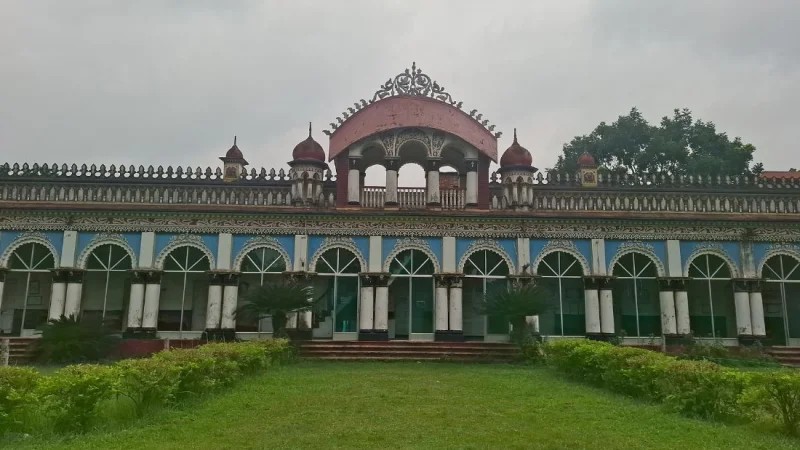
Tangail possesses vast potential to develop as a major tourism destination due to its rich history, cultural heritage, and natural beauty. Its historic landmarks, forests, traditional handloom industry, and distinctive products offer visitors a diverse experience.
The district features the Mughal-era Atia Mosque, the zamindar mansions of Mohera, Hemnagar, Karotia, Delduar, Pakutia, and Dhanbari, as well as Madhupur National Park, Pirgachha Rubber Garden, and Jamuna Bridge. Its proximity to Dhaka and relatively easy road connectivity further enhance its prospects as a tourism hub.
Tourism could also generate employment for local guides, resort operators, restaurants, and handicraft businesses, while creating opportunities for increased local revenue through public-private investment.
Among the district's natural attractions, Madhupur National Park stands out for its extensive forest landscape and wildlife. Spread across more than 20,000 acres, the park offers visitors a break from urban life and is also home to a deer breeding centre.
Pirgachha Rubber Garden in Madhupur serves as another popular destination. Visitors have the opportunity to enjoy the changing appearance of its large rubber trees across the seasons and, with permission, observe the process of collecting and processing raw rubber at a nearby factory.
The Atia Mosque in Delduar stands as one of Tangail's notable historical landmarks. Constructed in a distinctive Mughal-Sultanate architectural style, this single-domed mosque was previously featured on the Tk10 banknote. Another local attraction is the 201-domed mosque in Gopalpur, which features eight tall minarets, including four that reach a height of 101 feet.
The Jamuna Bridge area in Kalihati attracts visitors seeking river views, open air, and sunrise and sunset scenery. Additionally, the nearby Jamuna Railway Bridge has emerged as a local attraction.
Upendra Sarobar in Nagarpur, located approximately 25 kilometers from Tangail town, serves as another scenic destination. Locally known as "Baro Ghatla Dighi," the lake features 12 ghats and was excavated in the year 1341 of the Bengali calendar to address the area's drinking water shortage.
Tangail's cultural identity is further reinforced by its famous handloom sarees and Porabari Chamcham, a traditional sweet with a history spanning approximately two centuries. Visitors to the district can also explore historic zamindar mansions, most notably Mohera Zamindar Bari, which stands out as one of the region's most popular heritage sites.
Local residents state that the tourism sector requires better preservation of historical sites, quality hotels, and resorts, improved security, and stronger digital promotion to reach both domestic and international tourists.
Tangail Deputy Commissioner Sharifa Haque stated that the district's 12 upazilas offer diverse natural and cultural attractions. “Tourism can play an important role in the local economy. We have to present Tangail's history, heritage, culture, and natural beauty to the world, and we are working towards that goal,” she said.
Local lawmaker and State Minister Sultan Salahuddin Tuku stated that plans were underway to develop Tangail as a modern tourism hub. This initiative includes establishing a mini tourism centre around the DC Lake and creating a larger tourism destination in the char areas.
He stated that enhanced connectivity, cleanliness, scenic development, and tourist facilities would be vital to unlocking the district's tourism potential and generating additional employment opportunities.
Why it matters
Developing Tangail's tourism sector can expand local economic opportunities and generate employment through strategic infrastructure and public investment.