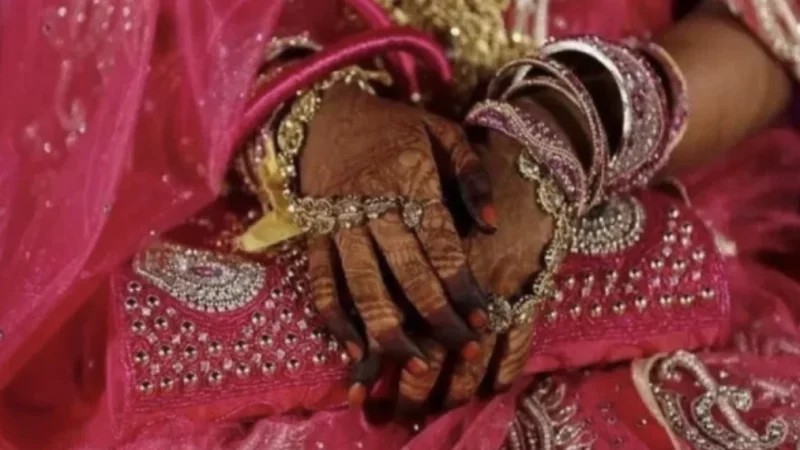
As we observe the International Day of the Girl Child under the vital theme: “End Child Marriage and Invest in Girls’ Rights,” our own country must contend with a harsh reality that we simply cannot ignore.
Numerous international organizations report that nearly half of all girls in Bangladesh are married before turning 18. Despite decades of advocacy and significant improvements in girls' school enrollment and education, the loss of half the nation's girls to the pervasive and ruinous scourge of child marriage is described as a tragedy.
When millions of young girls are pulled out of classrooms, it is a direct assault on human rights, bodily autonomy, and the future potential of our nation.
Child marriage has long been a devastating barrier for Bangladesh’s development. Not only does it prematurely end education and expose young girls to severe health risks, it simultaneously perpetuates intergenerational cycles of poverty and strips them of their fundamental agency.
Laws have long existed on paper, yet enforcement has been virtually absent. Local loopholes, social pressure, and the failure of community-level administrative tracking have allowed child marriages to occur with alarming frequency, particularly in rural and marginalized communities.
Investing in girls' rights requires moving beyond passive declarations and demands an unyielding, zero-tolerance approach that not only prosecutes those who perpetuate this archaic practice, but also informs and educates the public about its dangers.
"A nation cannot rise when half its population is forced into premature servitude," the statement reads, emphasizing that "protecting our daughters, keeping them in school, and guaranteeing their right to choose their own destiny is a non-negotiable prerequisite for the kind of Bangladesh we want to be in."
The eradication of child marriage has been an urgent national emergency for far too long, and it is time we start taking concrete actions to address it.
Why it matters
Addresses a critical human rights crisis affecting Bangladesh's future workforce and gender equality objectives.