Bangladesh is examining the prospect of establishing a new economic corridor that would link the country with China’s Kunming region via Myanmar, while instability in Myanmar’s Rakhine State is creating challenges for regional connectivity plans.
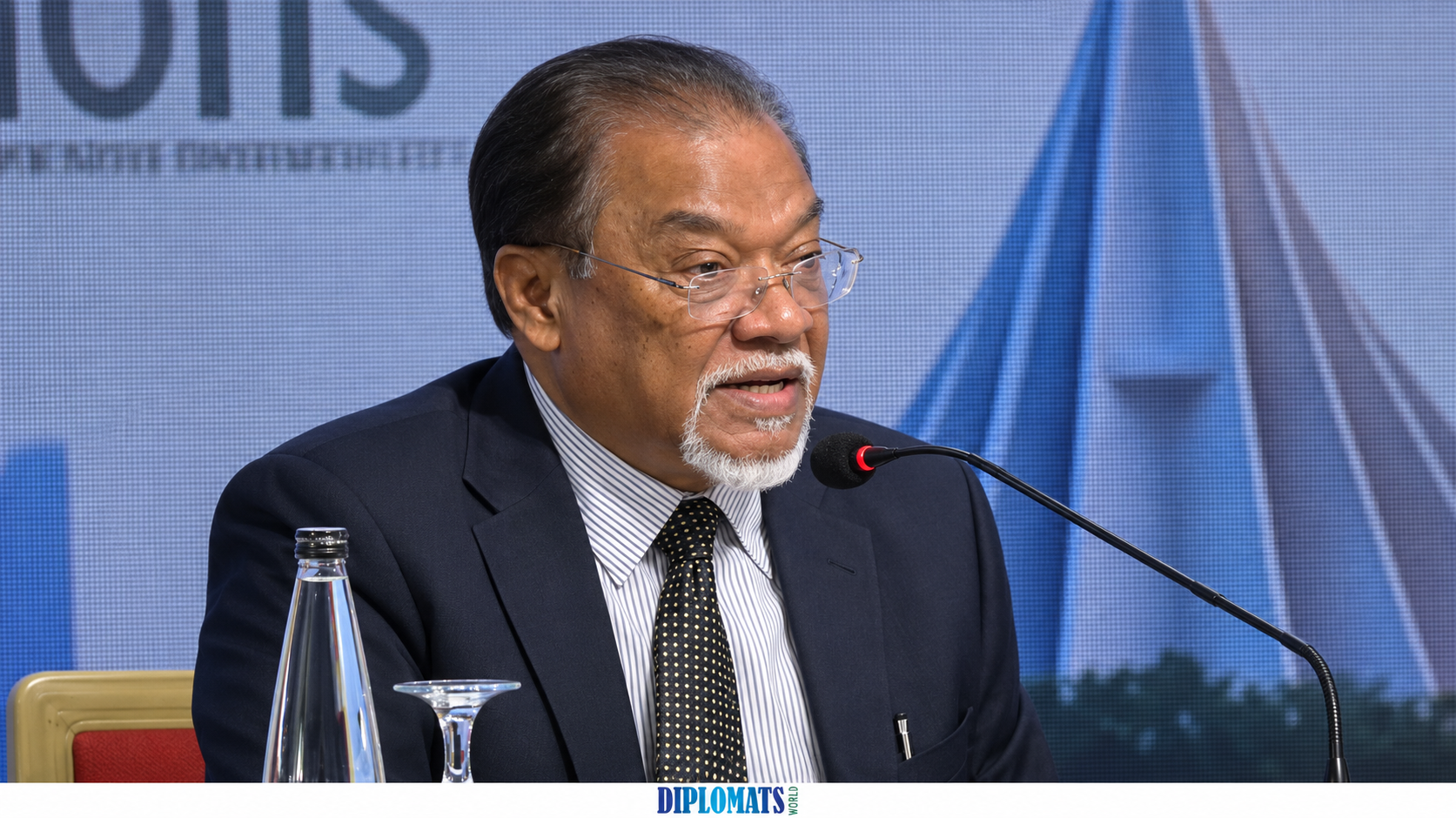
The proposed China‑Myanmar‑Bangladesh Economic Corridor, officials said, could generate new opportunities for regional economic integration and cooperation. Ismail Zabihullah, the prime minister’s adviser on public administration, made the remark during the inaugural session of the 2026 Dhaka Forum on Bangladesh‑China Relations held yesterday.
Bangladesh’s geographical location offered a distinct advantage in Asia’s changing economic landscape, he said.
Officials stress that the proposed corridor is intended to serve not merely as an infrastructure project but as a broader framework for economic integration and practical cooperation among the countries involved.
However, its development would require careful consideration of political realities, security conditions, institutional capacities and the economic interests of all relevant stakeholders.
The proposed corridor has come up for discussion following Prime Minister Tarique Rahman’s visit to China in June.
Ismail urged the initiation of stronger research and policy dialogue, calling for evidence‑based assessments, feasibility studies and consultations with relevant stakeholders to pinpoint viable pathways for developing the corridor.
Bangladesh has identified strengthening connectivity with China’s Kunming region as a key priority, seeking to promote medical tourism, expand trade and commerce, and deepen cultural and educational exchanges.
He said that, although an oil‑and‑gas pipeline links Kunming with Kyaukphyu in Myanmar, a fully developed, commercially viable road and rail network between the two sites has not yet been established.
Kyaukphyu is particularly significant for Bangladesh as it is around 367 kilometres by sea from Chattogram.
Establishing viable connectivity between Kunming and Kyaukphyu and linking it with maritime routes to Bangladesh could create a new economic corridor that connects China, Myanmar and Bangladesh, Ismail said.
A direct corridor linking China’s border town of Ruili with Bangladesh’s coastal hub of Cox’s Bazar would have been the preferred option, but persistent instability in Myanmar’s Rakhine State has presented a significant obstacle.
He said a stable Rakhine is essential for sound regional trade, security and economic development, and expressed hope that China, given its influence and relations with Myanmar, would play a constructive role in ensuring stability in Rakhine and the wider region.
China has pledged support to Bangladesh in protecting its national independence and territorial integrity and has affirmed respect for Bangladesh’s choice to pursue an independent development path suited to its own conditions, Liu Yuyin, chargé d’affaires of the Chinese Embassy in Bangladesh, said.
The forum held two thematic sessions that concentrated on the key areas demanding collaborative effort between Bangladesh and China: the development of port and maritime infrastructure, and the enhancement of regional connectivity.
Liu said that developing ports and maritime facilities is essential for Bangladesh to link with international markets, bolster its export sectors and engage in regional economic cooperation.
China had accumulated extensive experience in port planning, construction, operation, management and integrated development.
China is prepared to deepen professional cooperation with Bangladesh in port development, trade, industrial development and regional connectivity, aiming to convert its infrastructure capabilities into concrete drivers of economic growth, he said.
Regarding regional connectivity, Liu noted that Bangladesh holds a pivotal role linking South Asia, Southeast Asia and southwestern China, benefitting from a strategic geographic advantage on the Bay of Bengal.
He said that advancing the China‑Myanmar‑Bangladesh Economic Corridor and bolstering regional connectivity demonstrate a shared understanding between the two nations.
Liu urged a scientific and pragmatic approach to jointly assess the corridor’s practical conditions and development prospects, to objectively examine the challenges and explore possible ways forward.
He said the two countries should pinpoint concrete projects and viable cooperation areas, and progressively establish the conditions needed for the corridor’s development, enabling it to more effectively support regional growth and the well‑being of their peoples.
The forum was co‑organized by the Bangladesh Institute of International and Strategic Studies and the Bangladesh‑China Research Centre for Party and State Governance, with backing from the Chinese Embassy in Dhaka and the Centre for China Studies.
Why it matters
The corridor would broaden Bangladesh’s trade routes and deepen economic ties with China and Myanmar, strengthening its economic resilience.