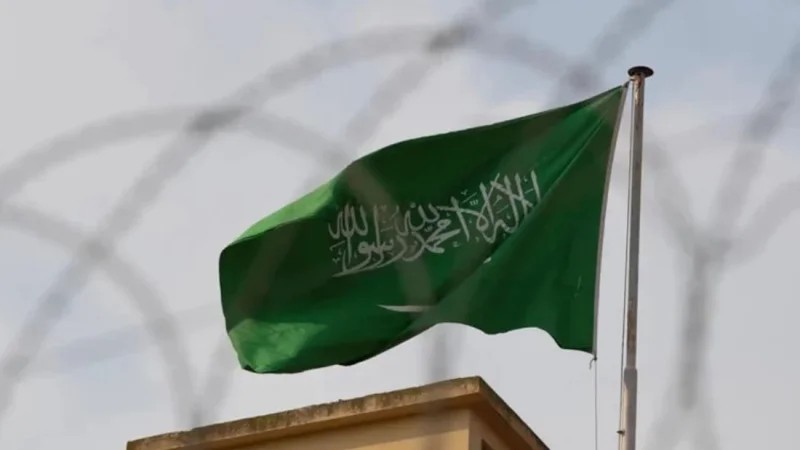
Six days after Saudi Arabia executed two Bangladeshis for what it described as an "immoral act" inside a mosque in Mecca, new information has raised questions concerning the charges, the judicial proceedings, and the reasons why Bangladesh was not informed of their death sentences.
A confidential consular memorandum and prisoner records reportedly indicate that the two individuals were detained in August 2023 under separate allegations: cybercrime in one case and adultery in the other.
Neither entry mentioned a death sentence, although Saudi authorities subsequently announced that both had been executed on October 14.
Bangladesh has now requested the court judgments, details of the proceedings, and clarification regarding whether the defendants were given an opportunity to defend themselves.
Meanwhile, the families say they were unaware of any impending executions and are demanding answers.
On October 14, the Saudi Ministry of Interior announced the executions of two individuals it identified as Bangladeshi nationals, Nazrul Islam Abdul Basir and Siti Akhtar.
According to a statement carried by the Saudi Press Agency, the two individuals had been convicted of committing an "immoral act" inside a mosque in Mecca.
The ministry stated that security authorities arrested the individuals, investigated the allegations against them, and referred the case to a court.
The court sentenced them to death under “ta'zir,” a category of discretionary punishment under Islamic law, citing the seriousness of the offence and the violation of the sanctity of the place and time.
The ministry said the verdict became final after judicial approval and a royal order authorised its implementation.
However, the announcement did not identify the mosque, disclose the date of the alleged incident or provide the evidence presented at trial.
The most significant new development emerged from documents obtained and information reported by two national newspapers on Tuesday.
According to a confidential memorandum dated October 18 from the Bangladesh Consulate General in Jeddah, a Saudi prisoner list received on September 30 contained both names but recorded different offences.
Nazrul Islam, detained on August 1, 2023, was listed under Saudi Arabia's cybercrime law.
Siti Akhtar, detained the following day, was listed in connection with adultery.
According to the documents, Nazrul was being held at the Jeddah Correctional Facility, and Siti was detained at the Jeddah Women's Prison.
Both reportedly worked as cleaners for Al Majal Company.
Crucially, the prisoner list did not disclose that either had been sentenced to death.
The consular memorandum also failed to explain how the separate offenses recorded in the list related to the mosque incident described in Saudi Arabia's execution announcement.
These discrepancies do not establish that the convictions were unlawful.
However, they leave the precise charges, evidence and legal basis for the executions unclear.
Saudi Arabia had provided Bangladesh with a prisoner list containing the two names, but the list did not mention their death sentences.
Bangladeshi officials say the mission was not notified of the sentences or the executions in advance.
The consulate's memorandum also states that it had received no requests for legal assistance from either prisoner or their families.
Bangladesh's Consul General Md Sakhawat Hossain met with Saudi foreign ministry official Farid bin Saad Al Shehri in Jeddah on Monday.
He asked why the death sentences had been omitted from the prisoner list.
Bangladesh also sent another diplomatic note seeking the judgments, details of the proceedings and information regarding the defendants' opportunities to defend themselves.
Saudi officials reportedly stated that the cases had moved through the judicial system and that a 13-judge appellate panel had upheld the death sentences.
Bangladeshi officials stated that they had not received a satisfactory explanation regarding the omission of the sentences from the prisoner records.
The Bangladesh Consulate in Jeddah initially requested information via a diplomatic note on October 15, which was one day following the executions.
On October 18, Bangladesh raised the matter with Saudi Ambassador Abdullah Zafer bin Abiyah in Dhaka and provided a copy of the earlier communication.
The following day, officials pursued the issue in Jeddah.
State Minister for Foreign Affairs Humaiun Kobir described the executions as deeply disappointing and acknowledged a lapse in information-sharing.
Bangladesh has also raised questions about consular access and the handling of the judicial proceedings.
However, the government has not formally established that Saudi Arabia violated international law.
Officials say they need the judgments and other documents before drawing conclusions.
Nazrul Islam came from Brahmanbaria and travelled to Saudi Arabia in November 2022 to work as a cleaner.
His family says he was arrested several months later and remained imprisoned for more than three years.
His mother, Rahima Begum, said he occasionally called from prison, and their last conversation reportedly took place on October 11, three days before his execution.
His father, Abdul Basir, said the family had borrowed heavily to finance Nazrul's migration.
The family disputes the allegations and wants his body returned to Bangladesh.
Siti Akhtar hailed from Mirzapur in Tangail. According to her family, she travelled to Saudi Arabia for employment after borrowing Tk1.5 lakh.
Her father, Fazl Mia, stated that she had informed the family she was imprisoned as a result of a workplace dispute.
He stated that she had recently discussed the possibility of returning home within the span of months, which left the family bewildered by reports regarding her execution.
Neither family's account independently establishes what happened in the Saudi criminal proceedings.
No evidence has emerged to support social media claims that the two were married or had travelled to Saudi Arabia to perform Umrah.
Their families told Bangladeshi journalists that they had travelled separately for employment.
Siti's family also described her previous marriages and her decision to seek work overseas.
The claim that they were a married couple visiting Mecca for religious purposes is therefore unsupported.
Several fact-checking teams determined that a graphic video circulating as footage of the executions of two Bangladeshis actually showed an unrelated execution that took place in Saudi Arabia in 2015.
Another video claiming to show their bodies arriving in Bangladesh was also found to be unrelated.
Airport welfare officials confirmed on Tuesday that the bodies had not arrived.
The Saudi announcement confirmed the executions but did not specify their method.
What precise offences were established against each defendant? Why did the prisoner list record different charges from the public announcement?
When were the death sentences imposed? Did the defendants receive legal representation and interpretation assistance?
Why were Bangladesh's diplomatic missions not informed of the sentences?
It also remains unclear when the families will receive official documentation and whether the bodies can be repatriated.
The Saudi court judgments could answer some of these questions.
Why it matters
The case highlights critical gaps in international legal transparency and raises questions about due process for political dissidents and foreign workers.